
End-to-End Monoclonal Antibody Manufacturing Solutions
Integrated upstream and downstream processes for efficient production
In monoclonal antibody (mAb) production, upstream and downstream operations must be tightly aligned to ensure consistent quality, scalability, and cost efficiency. A high upstream titer does not inherently translate into a better process if it increases impurity burden, reduces clarification performance, or complicates downstream purification steps.
The true goal is a robust, scalable, and economically viable process that consistently delivers the desired product profile.
Integrated mAb manufacturing
A successful monoclonal antibody production process depends on integrated upstream and downstream steps. From cell line development to fill and finish, each unit operation influences productivity, quality, and cost.
Sartorius delivers a scalable workflow with single-use solutions, process intensification, and advanced monitoring to enable robust mAb production from development to commercial scale.


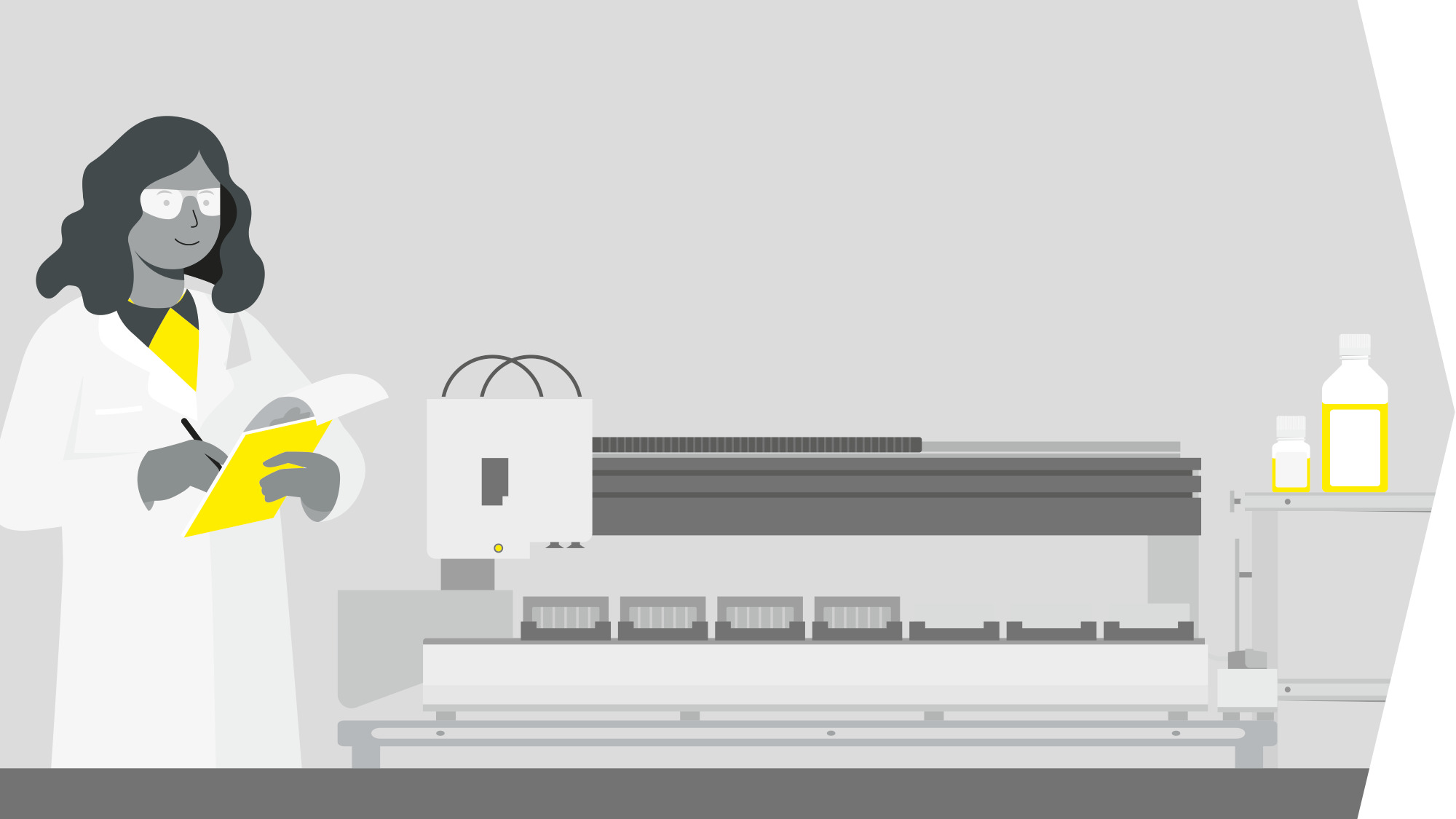
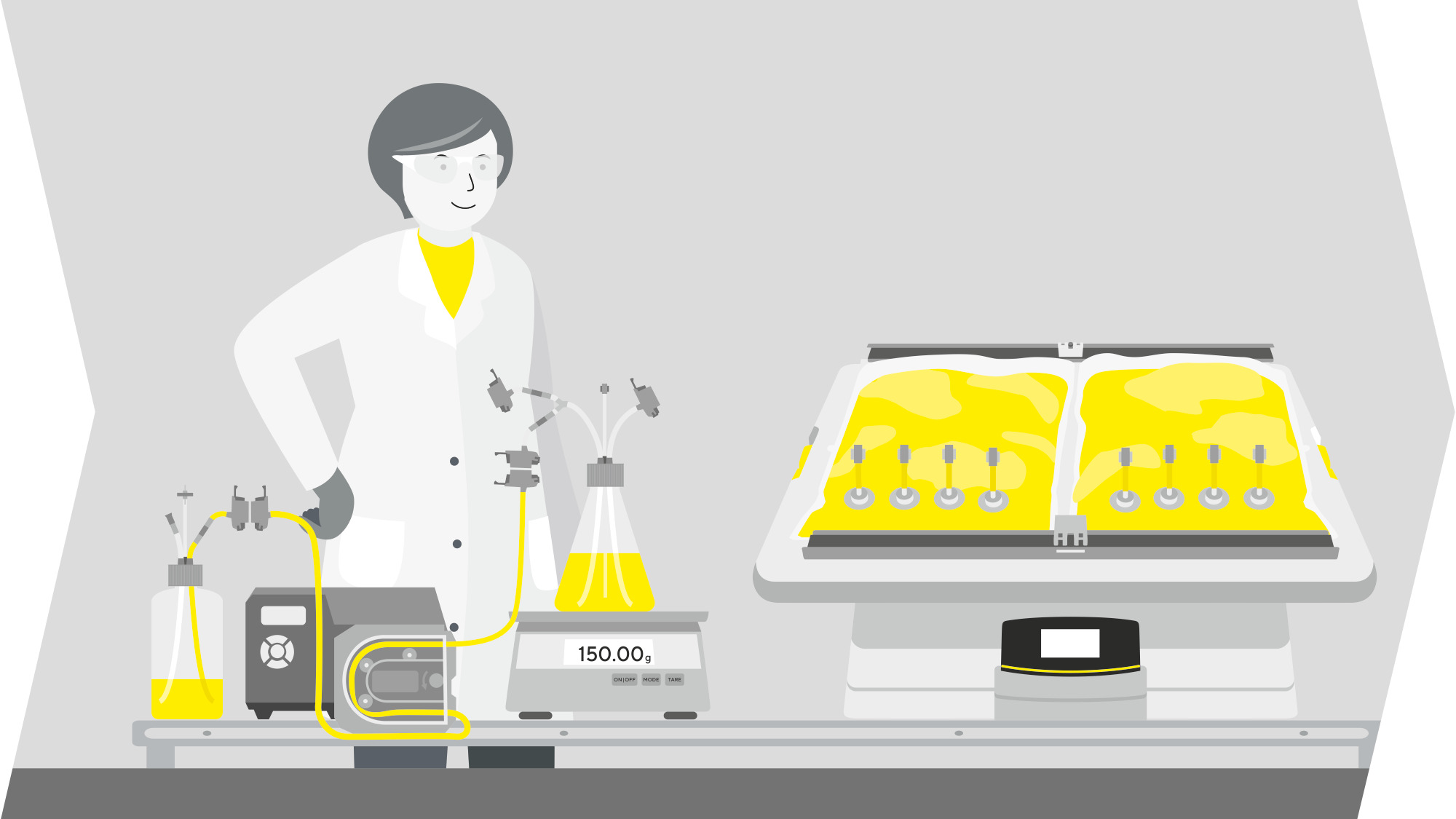


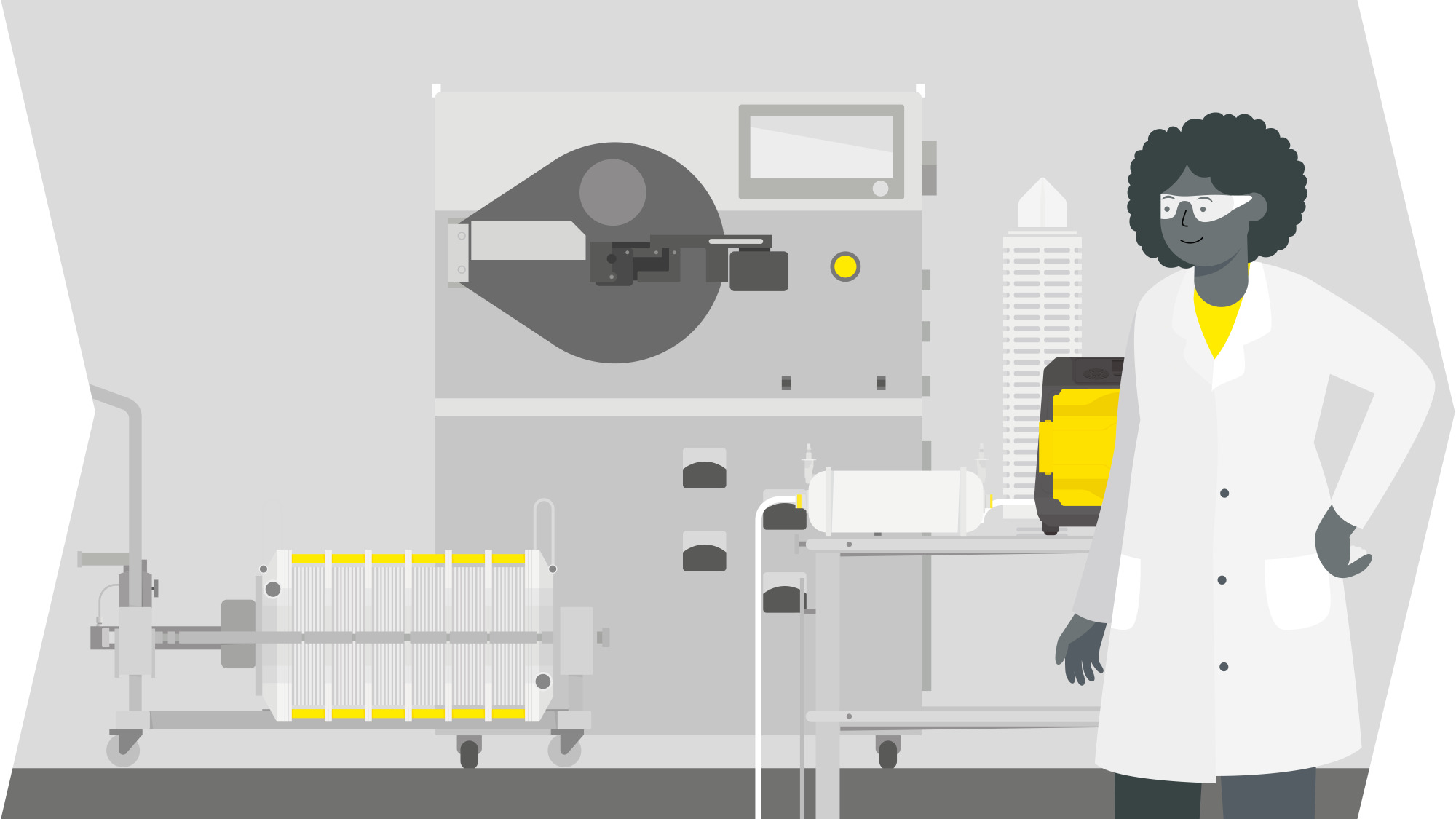
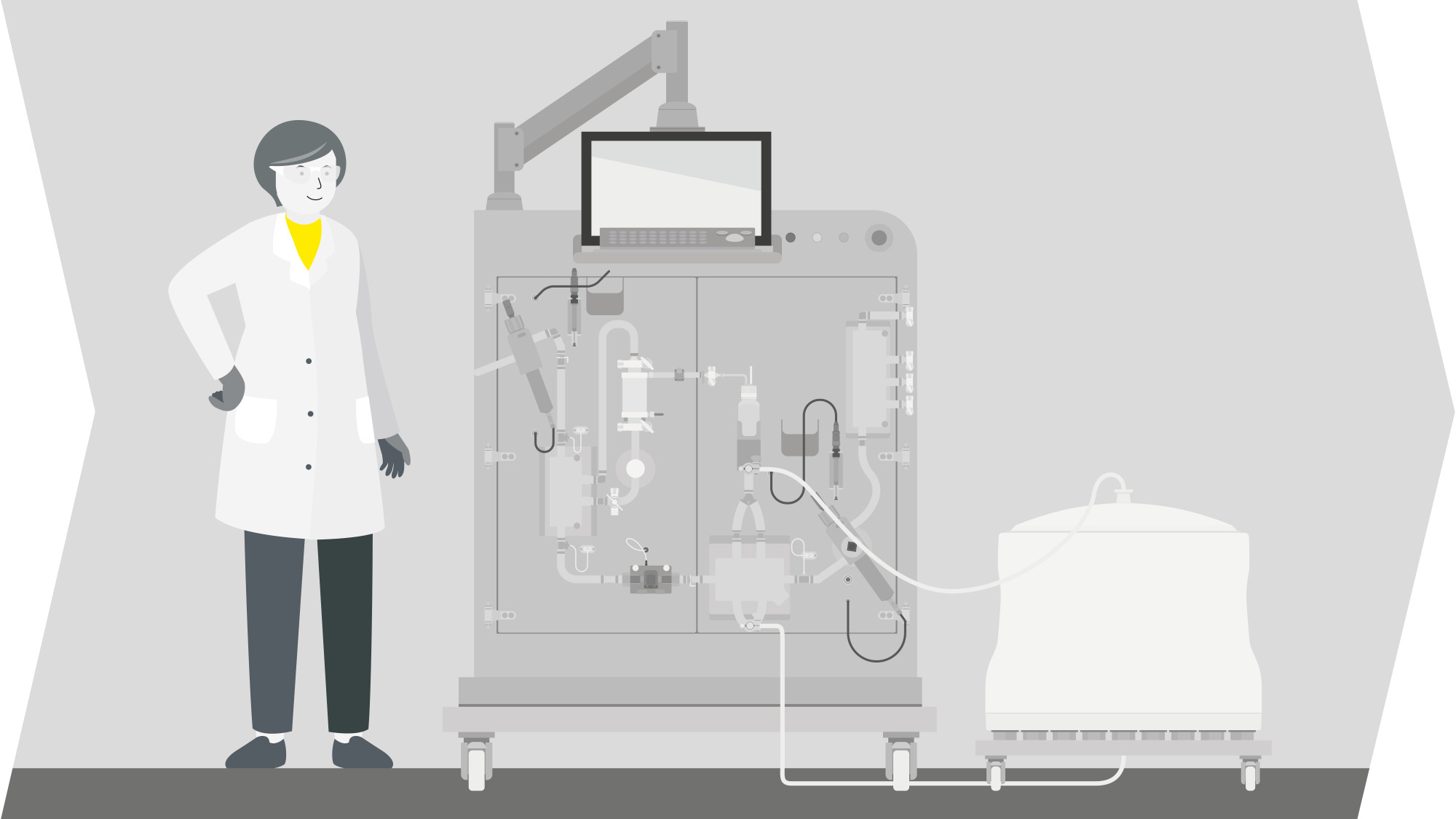
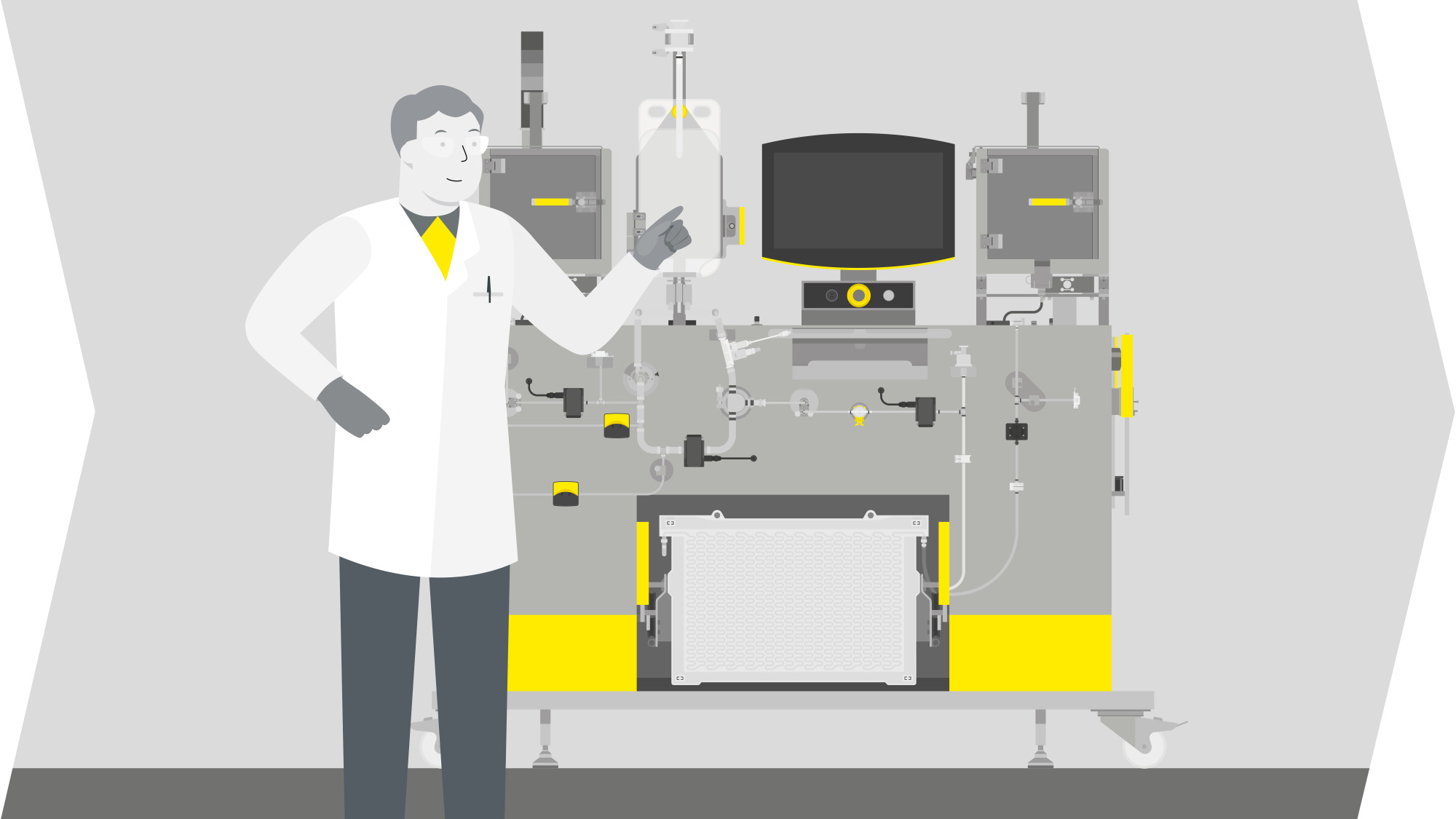
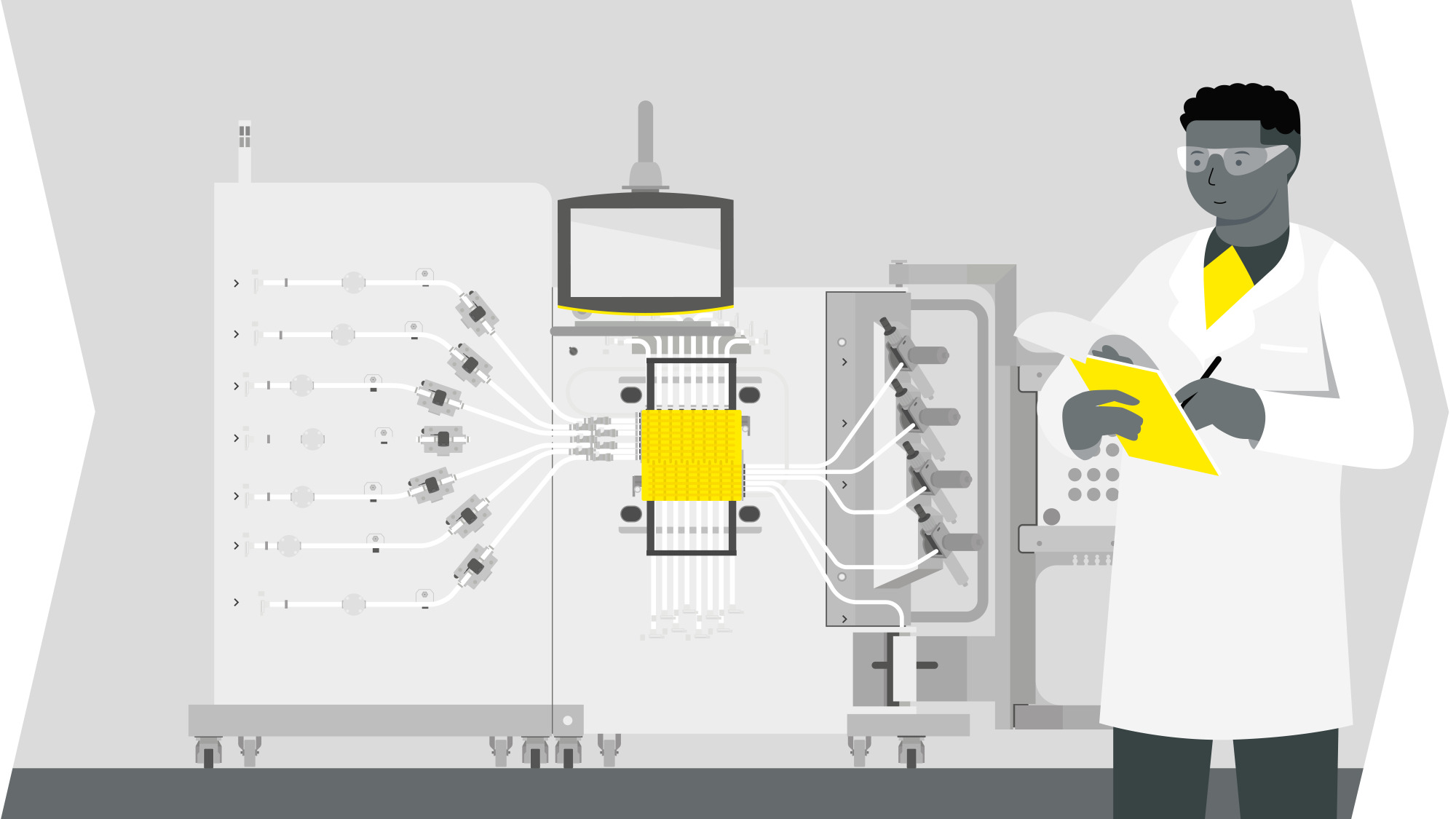
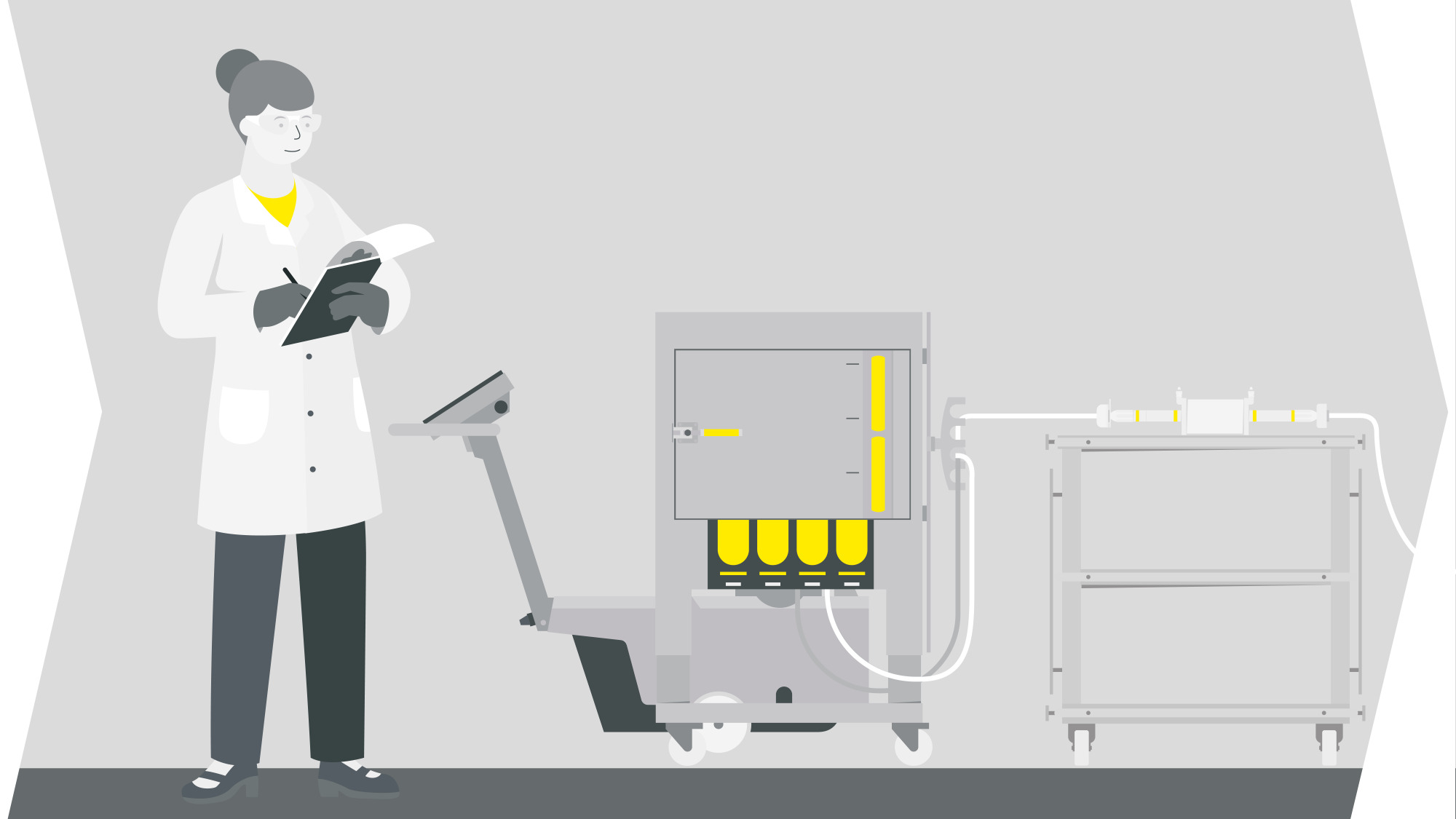
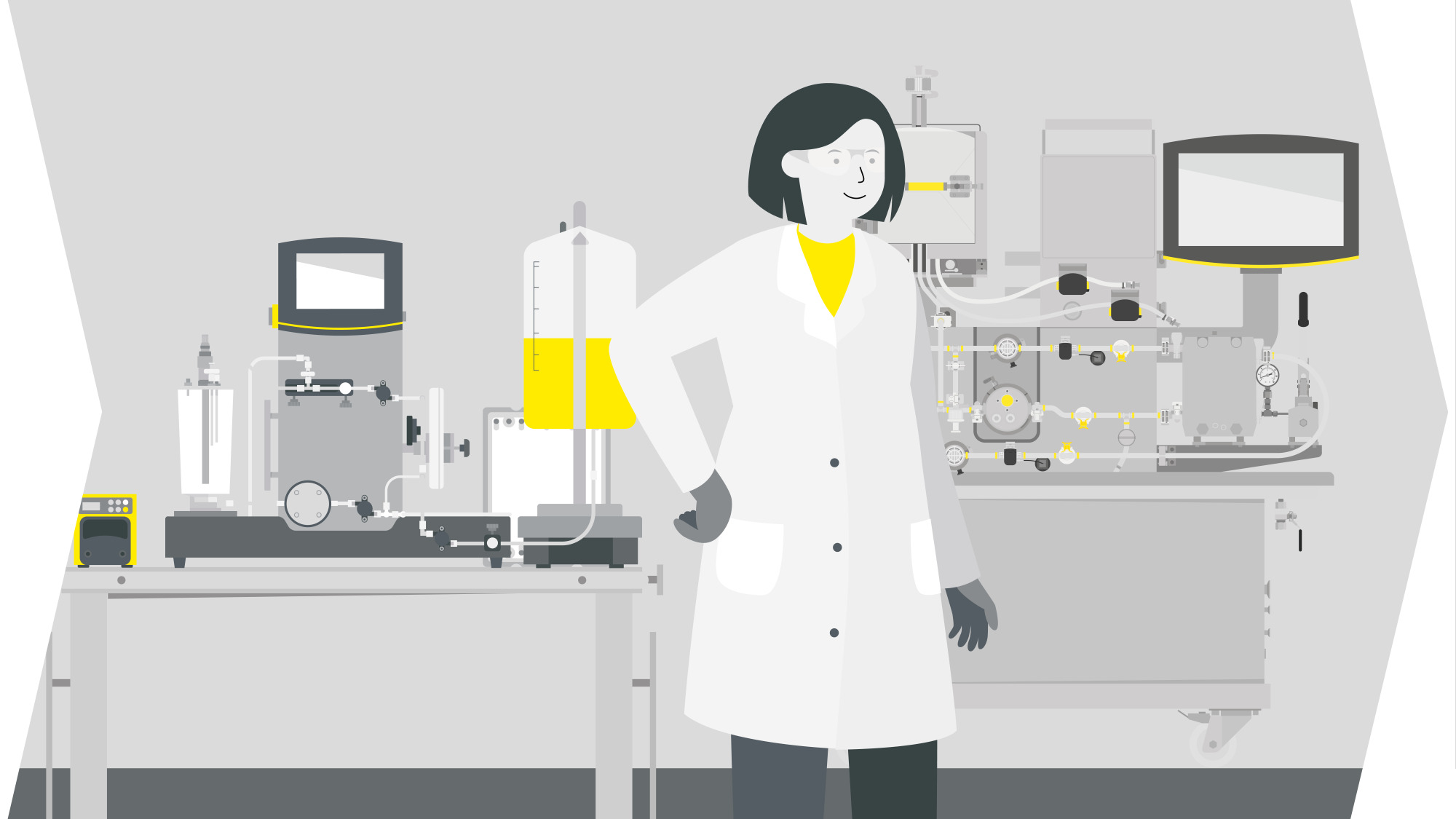
Supporting products & services
Process: Intensified

Drug manufacturing: Accelerated
Process intensification is essential for addressing the growing demand for mAb therapies, aiming to reduce costs, increase throughput, and minimize environmental impact.
Learn how you can secure your competitive edge and set the foundation for future innovation by optimizing every step of your mAb workflow.

Expert guidance
From planning to implementation
Whether you’re starting a new project or optimizing an existing mAb process, our services team can help you plan, implement, scale, and troubleshoot your biomanufacturing strategy.

Training programs
Build practical bioprocessing skills
Learn from Sartorius experts through training that covers upstream and downstream processing, single-use technologies, and process intensification across the full mAb workflow.

Validation services
Support for regulatory readiness
Reduce risk and accelerate project timelines with Sartorius validation services. Our experts can help you build compliant, reliable bioprocesses across upstream and downstream operations.
Learn more about monoclonal antibodies
Related assets


Frequently asked questions about monoclonal antibody manufacturing
The manufacture of monoclonal antibodies involves a highly controlled, multi-step bioprocessing workflow. It begins with upstream processing such as cell line development and cell culture in bioreactors, and is followed by downstream purification steps, including harvesting, chromatography, virus filtration, and final formulation.
The monoclonal antibody production process is divided into upstream and downstream phases. The core antibody production steps include initial cell cultivation, media preparation, seed train expansion, production bioreactor culture, harvesting, virus inactivation, polishing, and bulk drug substance filtration.
To scale up suspension cell culture aseptically, biomanufacturers rely on robust antibody process development combined with closed, single-use technologies. This involves safely transferring cell cultures through a seed train of increasingly larger single-use bioreactors while maintaining strict sterility, gas exchange, and consistent critical process parameters.
Modern mAb manufacturing relies heavily on process intensification and single-use technologies. By integrating these scalable solutions across the entire monoclonal antibody production workflow, manufacturers can reduce their facility footprint, lower operational costs, and accelerate the transition from clinical phases to commercialization.